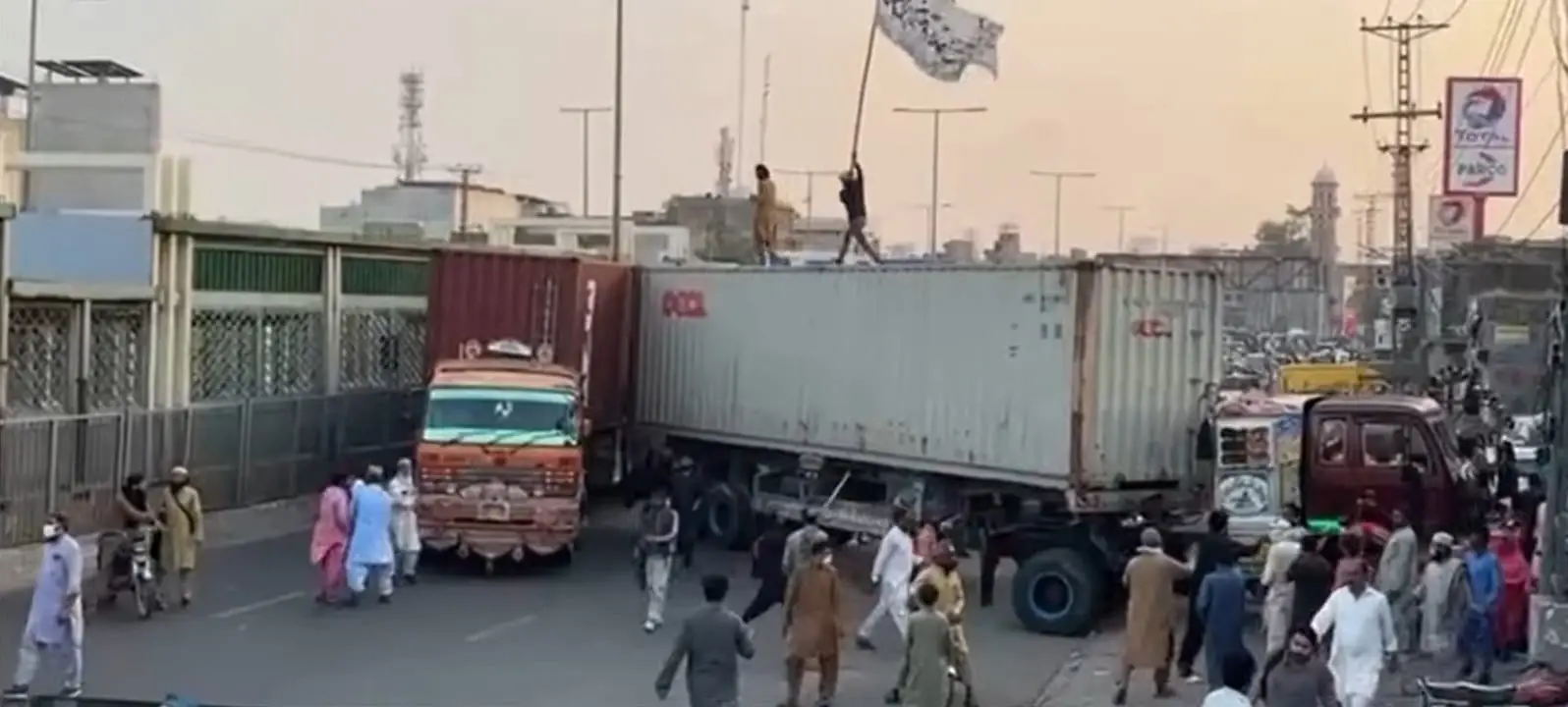

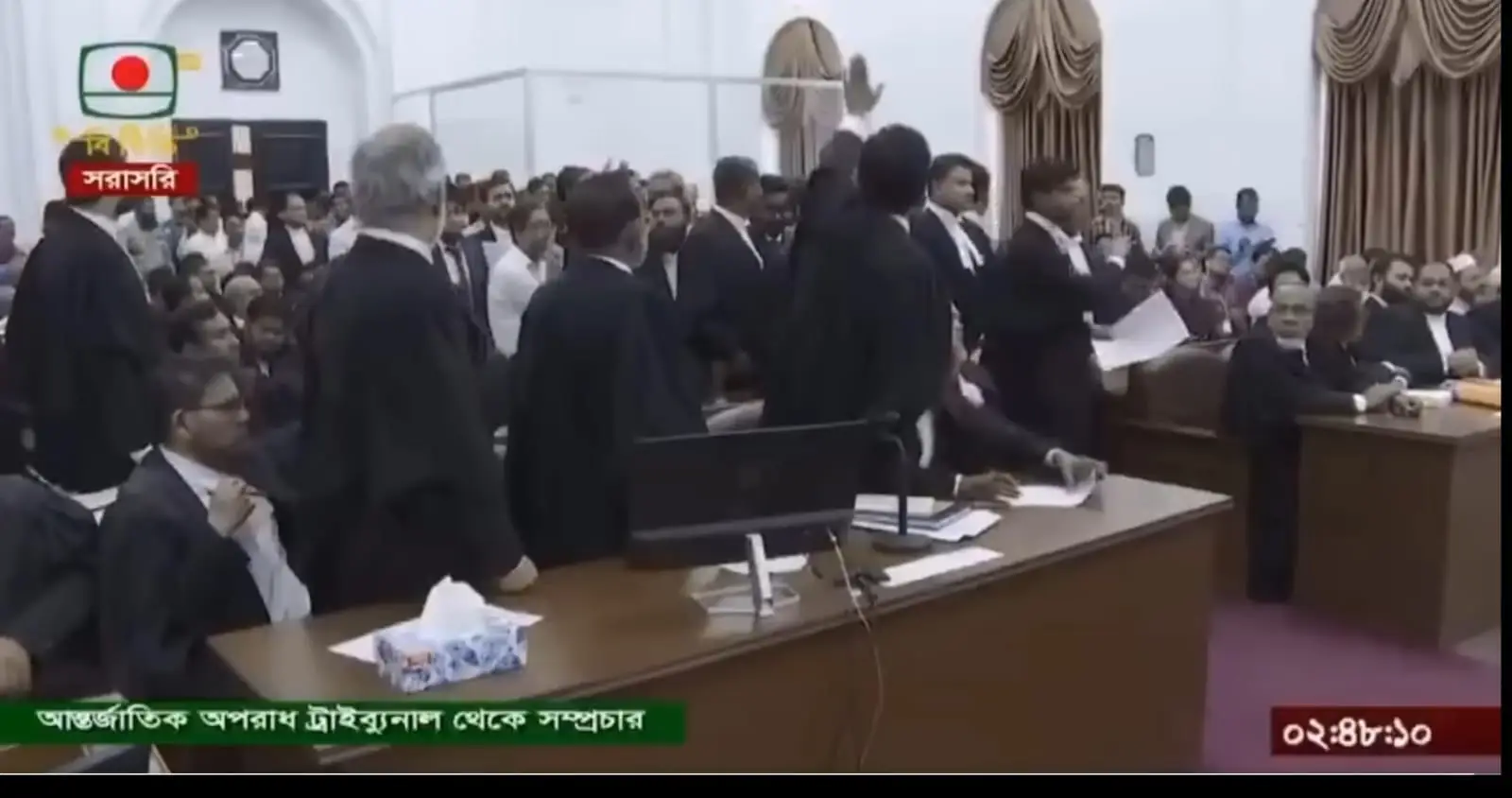
The death sentence handed down to former Bangladeshi Prime Minister Sheikh Hasina by the International Crimes Tribunal (ICT) on charges of “crimes against humanity” has shaken South Asian politics. This verdict comes at a time when the country was already reeling from student protests, regime change, and political instability. This decision is being seen as a turning point in Bangladesh’s history. There are many reasons behind this that are either little or not discussed at all. These include the covert interference of the United States of America, the continued machinations of Jamaat-e-Islami, and the use of the Bangladesh Nationalist Party as a pawn.
Background: How did the story begin?
The widespread student protests of 2024 shook Bangladeshi politics. A large number of deaths occurred during these protests, and several human rights organizations accused the government of excessive force. Based on these incidents, the tribunal initiated a trial against Sheikh Hasina.
The tribunal claims that Hasina ordered harsh action by security forces, resulting in the deaths of many students. Hasina, on the other hand, maintains that the case is based on political vendetta. Following the ban on Jamaat-e-Islami in 2013, it supported the Bangladesh Nationalist Party (BNP) and is accused of being involved in most of the riots. The remaining effort was made to install Muhammad Yunus as the chief advisor to the interim government, sponsored and supported by the Western deep state and the United States.
Court Verdict and Main Charges
The court found Hasina guilty on several serious charges, including:
- Permitting or ordering killings
- Using excessive force
- Inciting violence
- Organized crimes against humanity
The verdict stated that these incidents deeply undermined the country’s democratic structure.
Sheikh Hasina’s Position: “This Trial Is Not Fair”
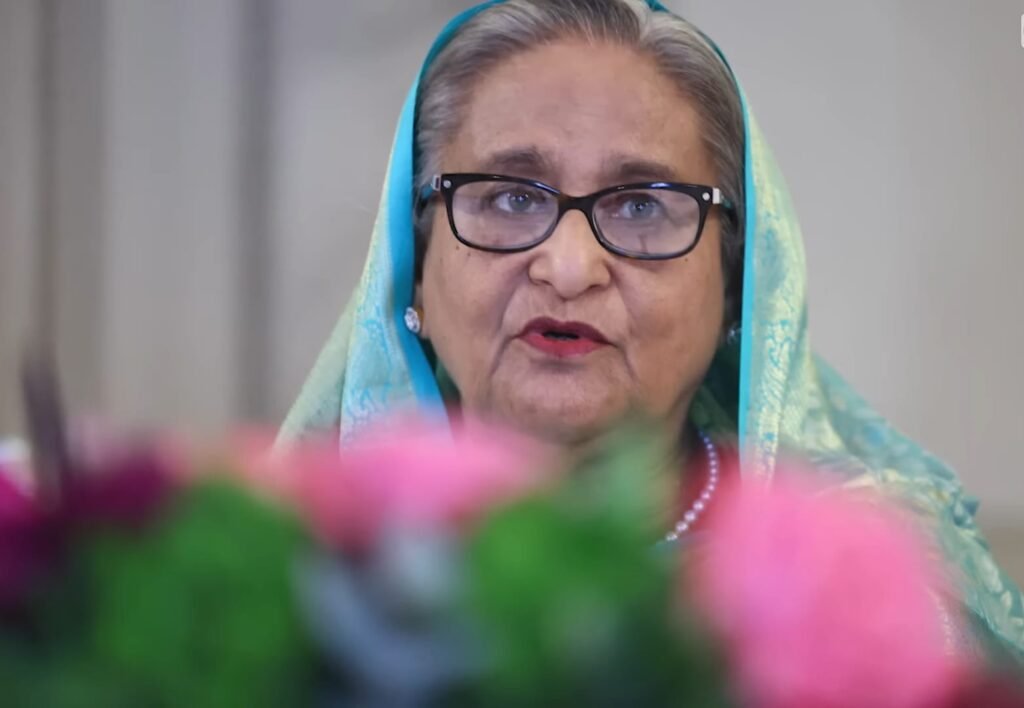
Hasina, who has taken refuge in India, has completely rejected the verdict. She says:
- She was not given a full opportunity to defend herself
- The tribunal is acting under political pressure
- This sentence is an attempt to weaken her and the Awami League
She also stated that she will file a legal appeal if she receives a fair process.
Political Impact:
The country appears to be splitting into two parts
This verdict has further polarized Bangladesh’s politics.
- A large section of Hasina’s supporters consider this an act of political revenge.
On the other hand, opposition groups are calling it a victory for justice.
Protests, security arrangements, and political rhetoric have intensified across the country.
International Reaction
India has described this as an “internal matter” of Bangladesh and has pledged to monitor the situation.
Human rights organizations have expressed concern that such a heavy sentence was handed down without a transparent process.
According to the international press, this decision could have long-term implications for South Asian geopolitics.
Legal Avenues and Future Prospects
Although Hasina is currently out of the country, she has the right to appeal to the Supreme Court.
But the question is: is a fair trial possible in the current political climate?
Experts believe that the country’s political stability and democratic structure will be severely tested in the coming months.
Conclusion
The death sentence handed down to Sheikh Hasina is not just a judicial decision; it marks a larger chapter in Bangladesh’s politics, justice system, and power struggle.
It is difficult to say what will happen next—but it is certain that this verdict will shape Bangladesh’s course for years to come.